Connection Comes Before Commitment
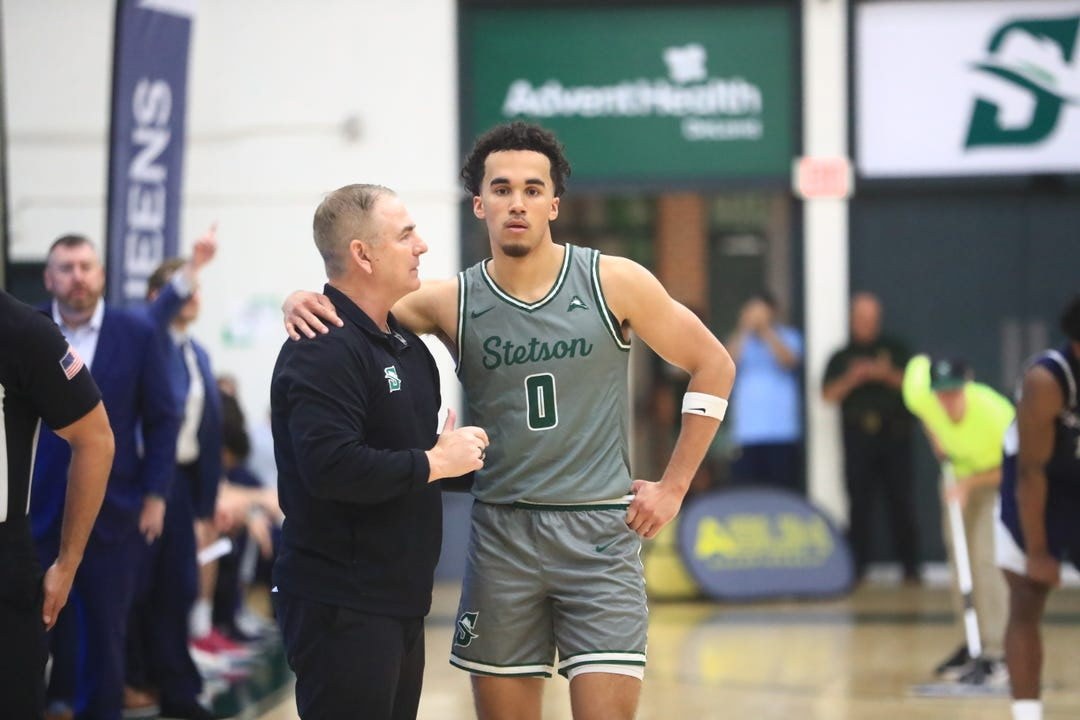
I have been fortunate to coach at different levels, work with championship teams, take over programs, and spend time in professional basketball. The uniforms have changed. The expectations have changed. One thing has stayed with me: before you can ask people to give themselves to a team, you have to make the effort to know them.
You can give a player a scouting report. You can give an employee a job description. You can put the goals on the wall. But people still want to know whether you see them, whether you will be honest with them, and whether they can trust you when things get hard. Connection starts there.
Know the person before you coach the performance
At Florida, I had the opportunity to work alongside Billy Donovan and be part of back-to-back national championship teams. Later, as a head coach at Marshall, UCF, and Stetson, I carried the responsibility of building my own relationships and setting the direction of a program. Experience helps you prepare. It does not excuse you from learning the people in front of you.
A returning player and a new player may hear the same instruction very differently. One has a history with you. The other is still deciding whether to trust you. A confident player might need a direct challenge. A player who is struggling might first need you to ask what is going on. The standard can stay consistent while the conversation fits the person.
That applies in business, too. Think about a new employee who stops asking questions. A leader may assume that person understands the work. The employee may be afraid of looking unprepared. Before you label the behavior, have the conversation. Ask what is clear, what is confusing, and what help would make a difference. Then listen.
Your follow-through gives your words weight
Trust takes more than a good meeting. If you say you will check on something, check on it. If you promise feedback, give it. If you make a mistake, own it. People pay attention to the distance between what a leader says and what a leader does.
Small moments count. Remember the concern someone brought to you. Notice the teammate who is doing the work without getting much attention. Be available for a conversation that does not begin with a correction. Those habits tell people that your interest in them goes beyond what they can produce today.
Connection gives accountability a foundation
Caring about people means telling them the truth. A relationship cannot become an excuse to avoid the conversation a team needs. If a player is not preparing, or a leader is not following through, address the behavior clearly. Explain what happened, how it affects the team, and what needs to change.
Imagine a player arriving late to a team responsibility. Start with the facts. Listen to the explanation. Then return to the expectation and agree on the next step. You can respect the person and hold the standard in the same conversation. People need both.
I bring that same approach to leadership work with organizations. Before offering an answer, understand the people and the challenge. A team needs more than someone who can talk about leadership. It needs someone willing to practice it in the everyday moments.
Make the next conversation count
Choose one person you need to understand better this week. Ask what they are working toward, what is getting in their way, and where they need support. Give them your attention. Close the conversation with one commitment you can keep.
Then follow through. Connection grows when people can count on you. That is where commitment has a chance to take hold.