Building a “We Over Me” Culture
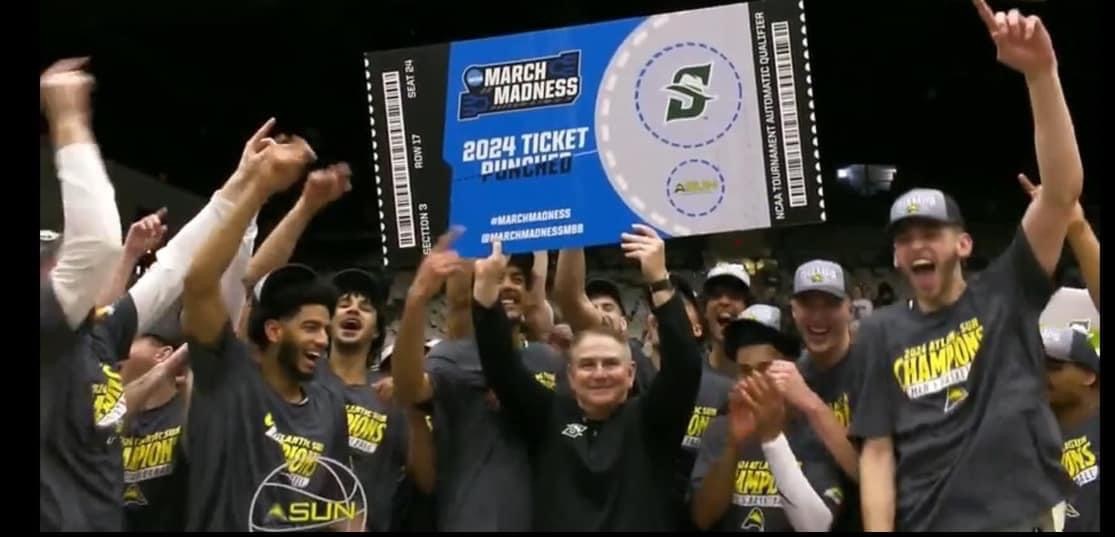
Everybody wants to be part of a winning team. The harder question is whether we are willing to do what the team needs when it does not bring us the attention. That question shows up in a locker room, in a staff meeting, and in a family. Shared success asks something of each of us.
We over Me is a message I care about because a team depends on people seeing beyond their own immediate result. Individual talent matters. So does the willingness to connect that talent to a purpose other people can share.
Give people a clear role
Being part of Florida’s back-to-back national championship teams gave me a close view of what it takes to compete at that level. Leading programs at Marshall, UCF, and Stetson brought the responsibility of helping different groups find their own way forward. Every group needs people who understand their jobs and accept responsibility for doing them.
A role needs more explanation than a position title. Tell someone what the team needs from them, what good preparation looks like, and how their work affects the people around them. Then give feedback often enough that they know where they stand.
Think about the player whose minutes are limited. That player still needs a clear path to contribute and improve. The same is true of an employee whose work happens behind the scenes. A leader should be able to explain why that contribution matters. If you cannot explain it, start by getting clearer yourself.
Recognize the work that helps somebody else
Teams learn from what leaders notice. If all the attention goes to the leading scorer or the person who closes the biggest deal, quieter contributions can disappear from view. Look for the teammate who prepares well, shares information, makes the extra effort, or helps someone recover from a mistake.
Be specific when you recognize it. Explain the action and its effect. A player made the extra pass. A staff member caught a problem before it reached the team. An employee helped a colleague finish a responsibility. Specific recognition teaches the group what contribution looks like.
That does not mean ignoring strong individual performance. It means connecting individual success to the people and habits that helped make it possible. Give people reasons to be excited when a teammate succeeds.
Protect the standard in difficult moments
A team will have disagreements. People will be frustrated with decisions. Some roles will be bigger than others. Leaders need to create room for an honest conversation while protecting the expectation that people treat one another with respect.
When a problem develops, deal with the specific behavior. A teammate withholding information creates a different problem from a teammate who does not understand an assignment. Learn what is happening before deciding how to respond. Then be clear about what the team needs next.
Apply the expectation consistently. If a standard only matters when the situation is easy, people cannot rely on it. Your response when a talented person falls short tells the rest of the group how seriously you take the team.
Keep the shared purpose close
Stetson’s first NCAA Tournament appearance in 2024 belongs to a larger story than any one person. Players, coaches, families, and supporters were part of that journey. Those are the moments that remind me how much it matters to build something people can share.
In an organization, keep connecting daily responsibilities to the people they serve. Who depends on this work? What does a teammate need from us? How does our preparation affect someone else? Those questions bring a shared purpose into the decisions people make today.
At your next meeting, ask each person to name one action that would help the team function better. Choose a few commitments, assign responsibility, and return to them. The follow-through matters more than the words on the board.
Build leaders who take ownership. Connect people who understand one another. Make room for others to succeed. That is how We over Me becomes a way a team works.